

A sustainable future
As businesses all over the world strive to reduce their carbon footprint and pursue a more sustainable future for our planet, we are seeing a shift from fossil fuels to less damaging energy sources.
More and more companies are reaping the financial, environmental and reputational rewards of exploring the switch to renewable energies such as solar and wind power, air or ground source heating systems, and green hydrogen fuel.
Although generally considered safe, these evolving technologies – with their intrinsic electrical hazards – are not without their own unique fire risks. Here we look at some of the potential dangers and steps to mitigate them.
The content has been sourced from IOSH Fire Risk Management Group publications.
Solar power
Solar panels can catch fire due to faulty installation, poor quality or incompatible components, design issues, dirt build-up and water getting into parts of the photovoltaic (PV) system.
Another issue with solar panels is that, if they do catch fire, they may still be generating electricity – with the inherent risks for firefighting operations.
Often, they rely on lithium-ion batteries to store generated electricity. These can catch fire or explode when overheated or damaged, although commercial installations are generally more robustly designed to minimise this risk.
It is vital that PV systems are designed, installed, inspected and maintained by accredited engineers and regularly cleaned. They should be factored into any fire risk assessment to ensure they can be shut down quickly in the event of fire.
Safety advice for such installations is still developing. The Fire Protection Association has produced guidance about battery energy storage systems and the day-to-day use and storage of lithium-ion batteries. These are also used in chargers for a range of electrical equipment, from smartphones and laptops to cars and scooters.

Hydrogen fuel
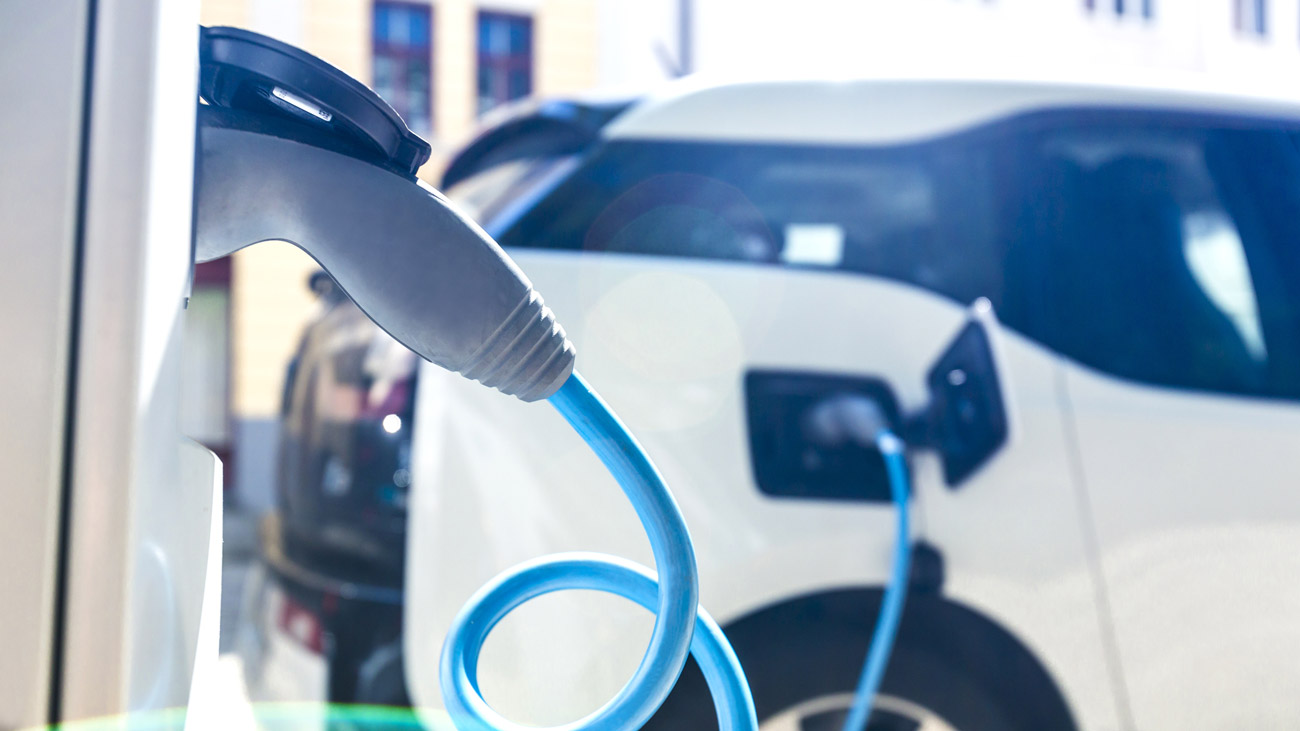
While electric vehicles are becoming ever more commonplace, hydrogen is the next ‘green’ fuel expected to start powering our cars.
With the global drive to decarbonise business operations, there has been increasing use of hydrogen as an alternative energy source across a range of industries.
As a fuel, hydrogen is a highly flammable gas, so any leaks or mishandling pose the risk of fire or explosion. It is also notoriously difficult to extinguish. Comprehensive safety measures around its use and storage need to be taken to mitigate the hazards.
A full and sufficient risk assessment can protect your premises and employees. In the UK, guidance for such an assessment is set out in the Dangerous Substances and Explosive Atmospheres Regulations 2002 (DSEAR).
Research on these new technologies is continuing. This is producing new guidance on reducing the associated risks – such as that published by the Hydrogen Energy Association and the Health and Safety Executive.
As we move towards net-zero carbon and the number of workers in the renewable energy sector grows, the resulting technology continues to develop.






Comments